
Chittagong Shipyard has been a source of pollution for the local ecosystem. During shipbreaking operations, substantial amounts of pollutants are released into the environment. Heavy metals, chemicals, and oil discharged into nearby water bodies subsequently contaminate the surrounding soil, leading to both water and soil pollution. In addition, the burning of fuels and materials such as oil and paint contributes to air pollution, which adversely affects plant growth.
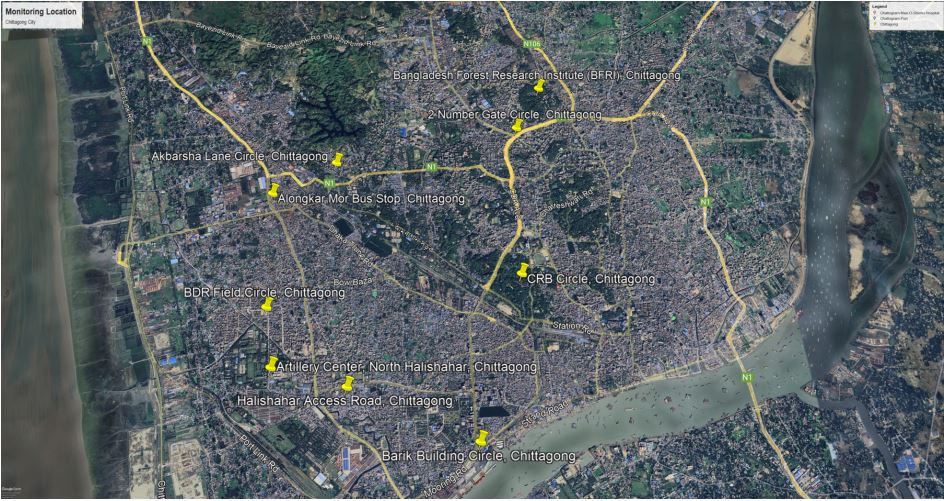
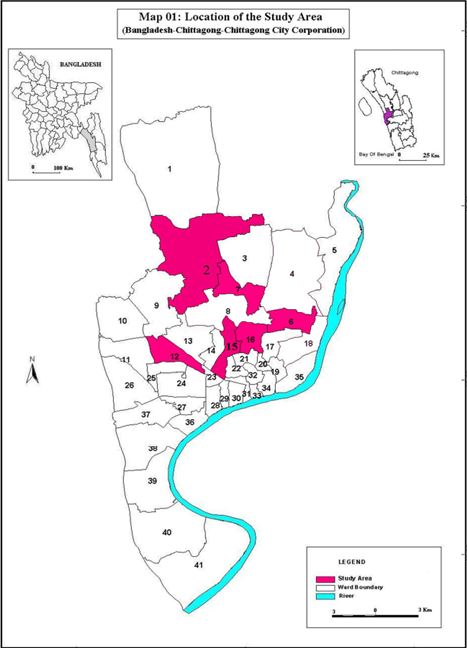
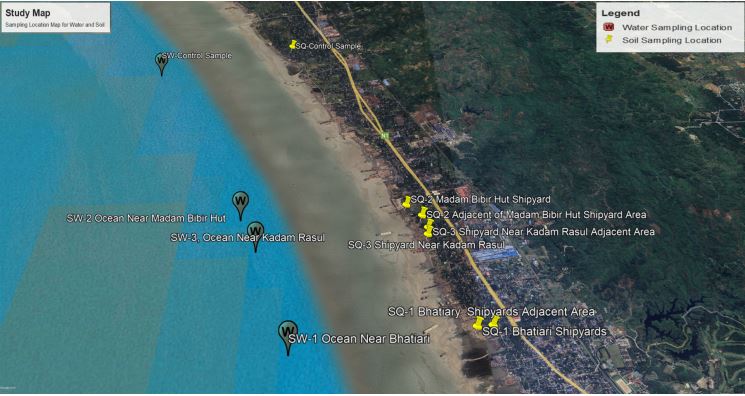
To evaluate the environmental pollution status near the shipbreaking industries in Sitakunda, several soil and water samples were collected and analysed. The growth and yield performance of Swietenia mahagoni Linn. (Mahogany) seedlings were evaluated in three different soil compositions: nursery soil mixed with shipyard soil, nursery soil mixed with soil adjacent to the shipyard, and nursery soil mixed with soil collected from an area away from the shipyard (control), each in a ratio of 1:2.
The seawater and soil samples collected from the three shipyards were found to be more polluted than those collected from areas away from the shipyards. The levels of pollution in various physical and chemical parameters of seawater differed significantly (p < 0.01) between shipyard locations and control sites. Similarly, the physical and chemical properties of shipyard soils differed significantly (p < 0.05) from soils collected adjacent to and away from the shipyards.
The growth and yield of Swietenia mahagoni Linn. were adversely affected when grown in shipyard soil mixed with nursery soil. Total biomass production was lowest in seedlings grown in shipyard soil, followed by those grown in soil adjacent to the shipyards, while seedlings grown in soil collected away from the shipyard showed the highest biomass production.
For full article - jubaer.ahmed@eqmscl.com
Share this page via
More from Ahmed Jubaer